How many fingers?
OpenRouter, the ubiquitous AI model proxy service, has a page called "Media Benchmarks", where different image-producing models are subjected to all kinds of tomfoolery. In one example, models were asked to produce an image of a human hand holding up three fingers.
Unsurprisingly, not all models were up to the task. Riverflow v2.5, like several others, decided not to stop at three.
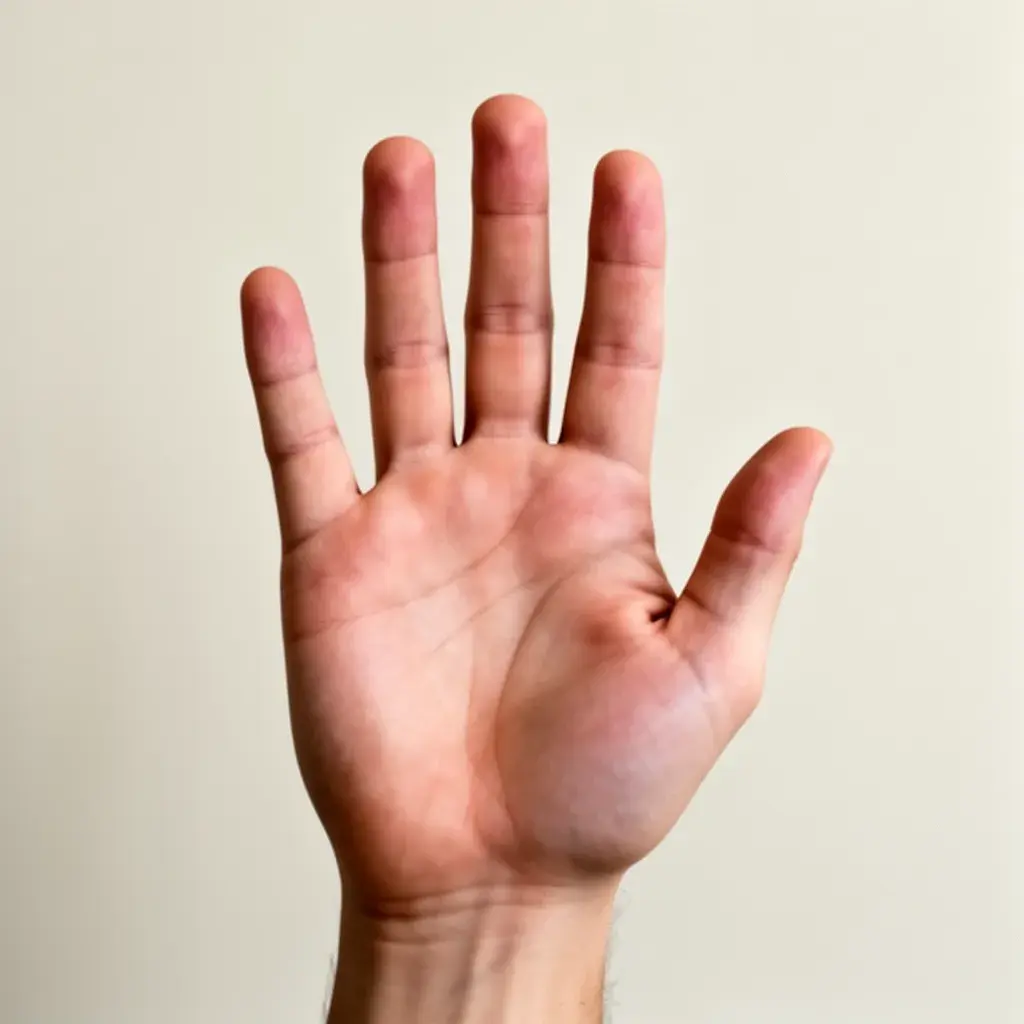
The AI creations were then judged by adherence to the prompt, and the models ranked accordingly. The above failed on two criteria: Too many fingers extended, not enough not-extended. It did win the other two though: Plausible anatomy, and palm towards camera.
Plausible anatomy? Surely there would be no problems in that area.
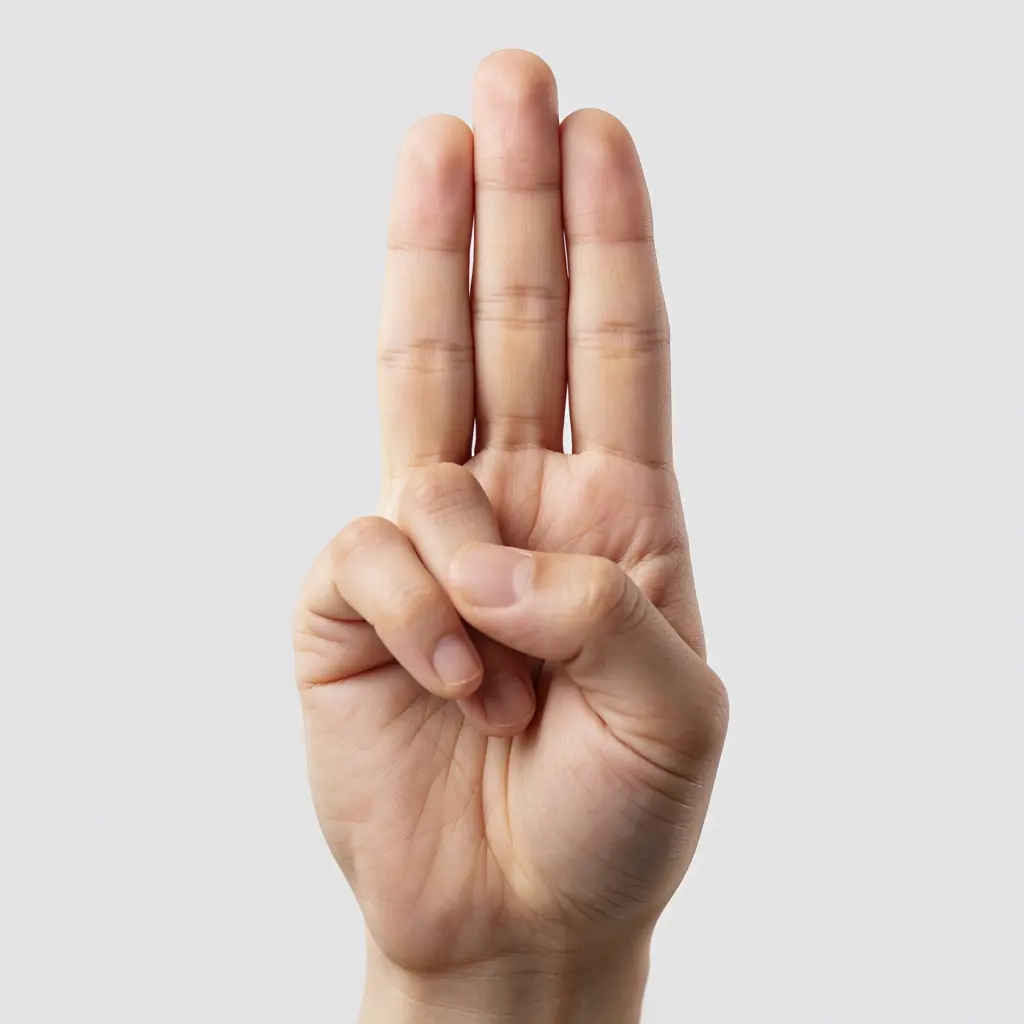
AIs famously struggle generating accurate human hands. Fortunately rankings like OpenRouter's help us discern the more capable models, like Microsoft's 2.5 Pro, which got full points with this creation:
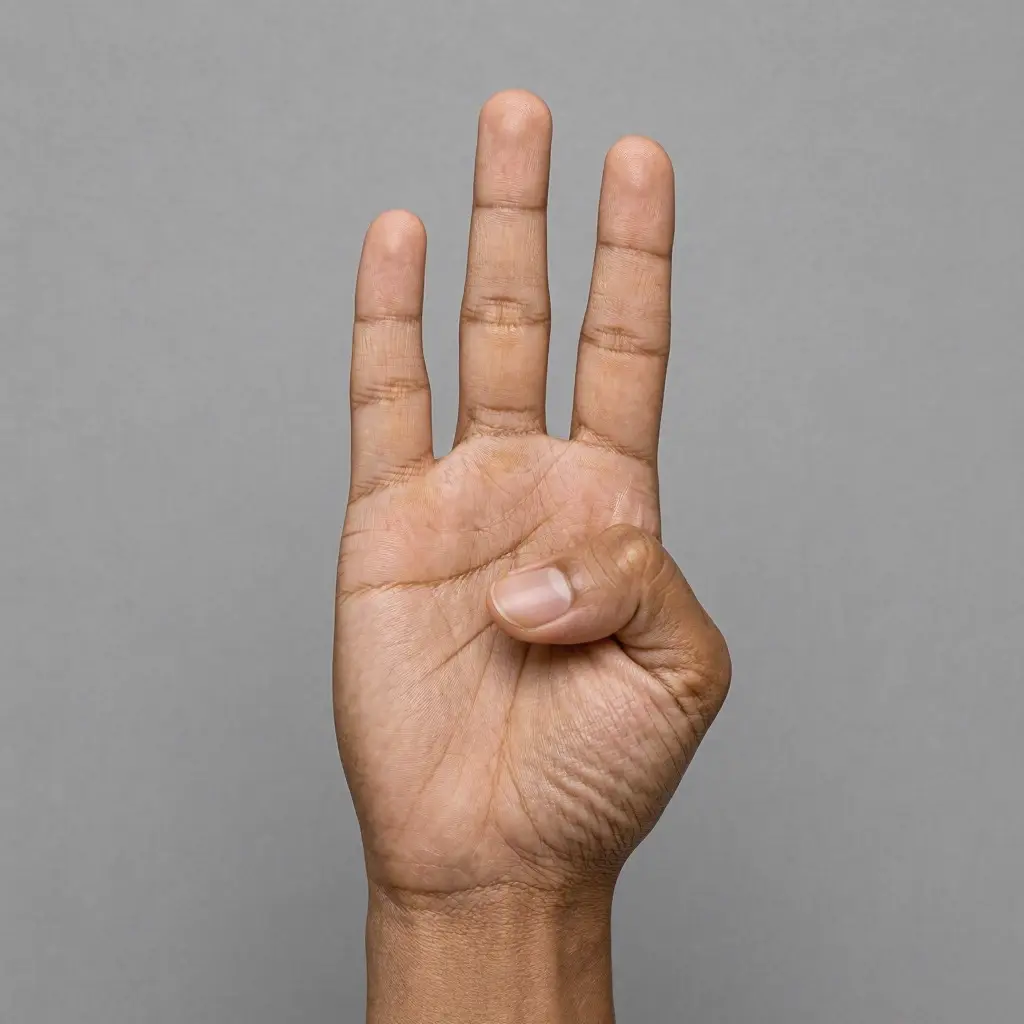
Why did this image get points for plausible anatomy? A glance at the methodology section reveals the answer:
Each check was graded independently by:A check passes on majority vote. AI can make mistakes, so treat results as a signal, not a guarantee.
- Claude Opus 5
- Gemini 3.1 Pro Preview
- GPT-5.6-Sol
AI creates images, and more AI decides if the images are correct. What could go wrong?
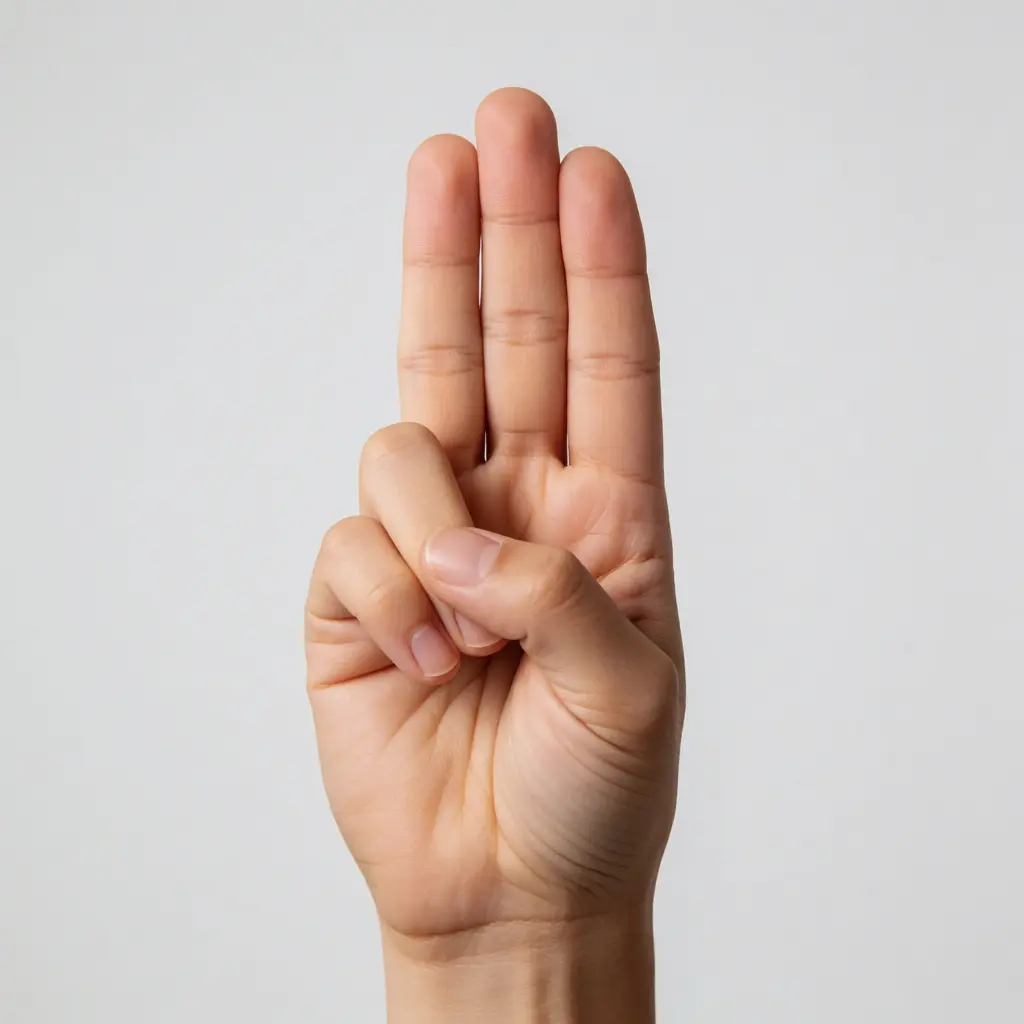
There are more examples of fishy-looking results with top scores. Meanwhile, this seemingly fine creation from Google's Nano Banana Pro got a point deducted for not enough extended fingers:
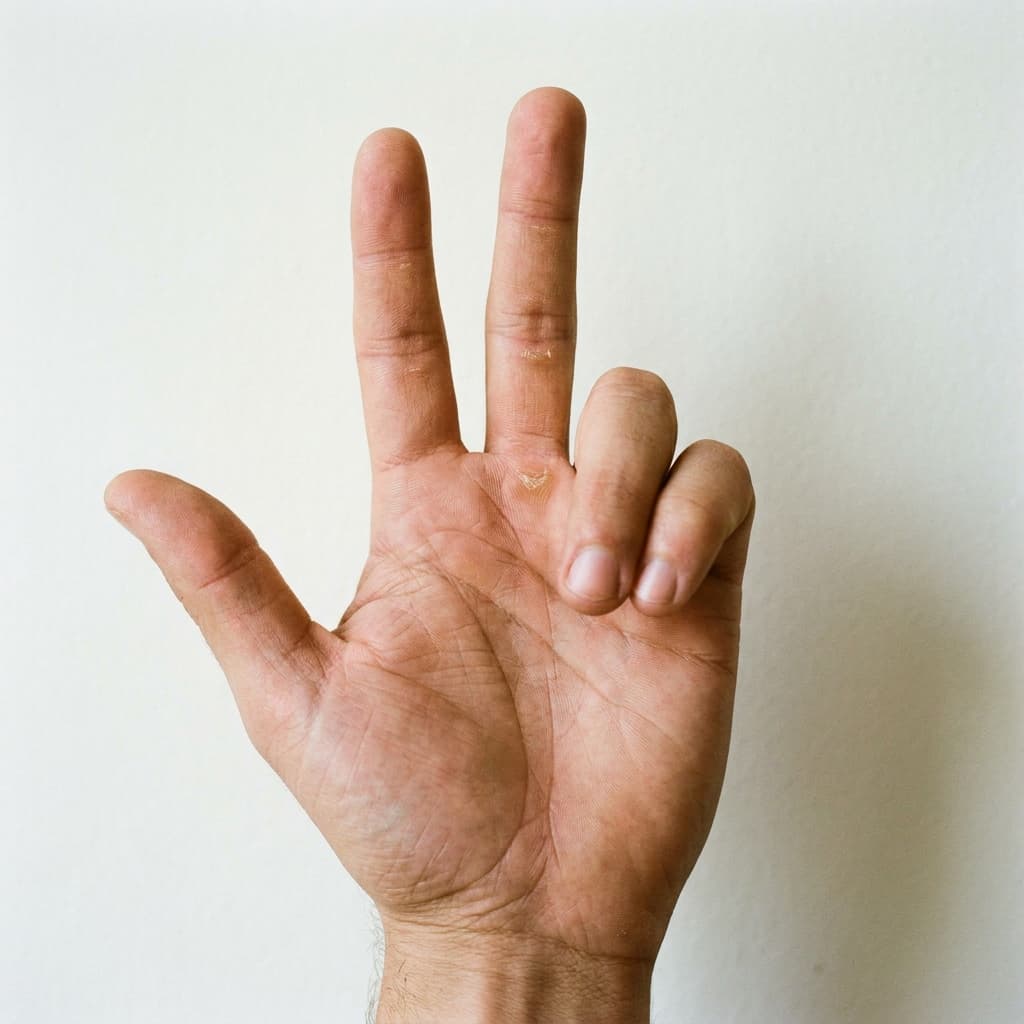
Perhaps this could be the solution to the ever-present captcha problem: Display four hands, ask the visitor to select the implausible one. Easy for humans to do, seemingly impossible for even relatively capable AI models. Though it leaves unsolved the problem of providing an alternative for sight-impaired users.